2067 MOVIE
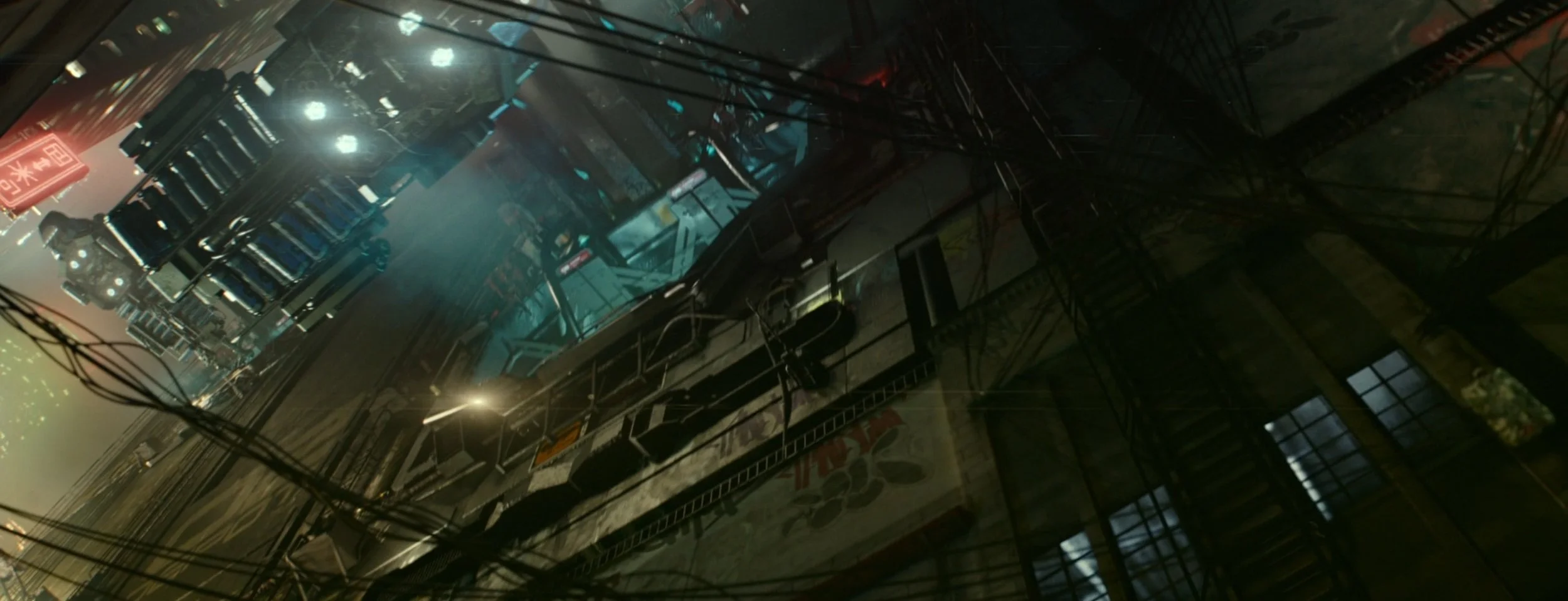
On 2067, I worked as Lead Hard-Surface Concept Designer, responsible for vehicles and functional props that defined the film’s technological language.
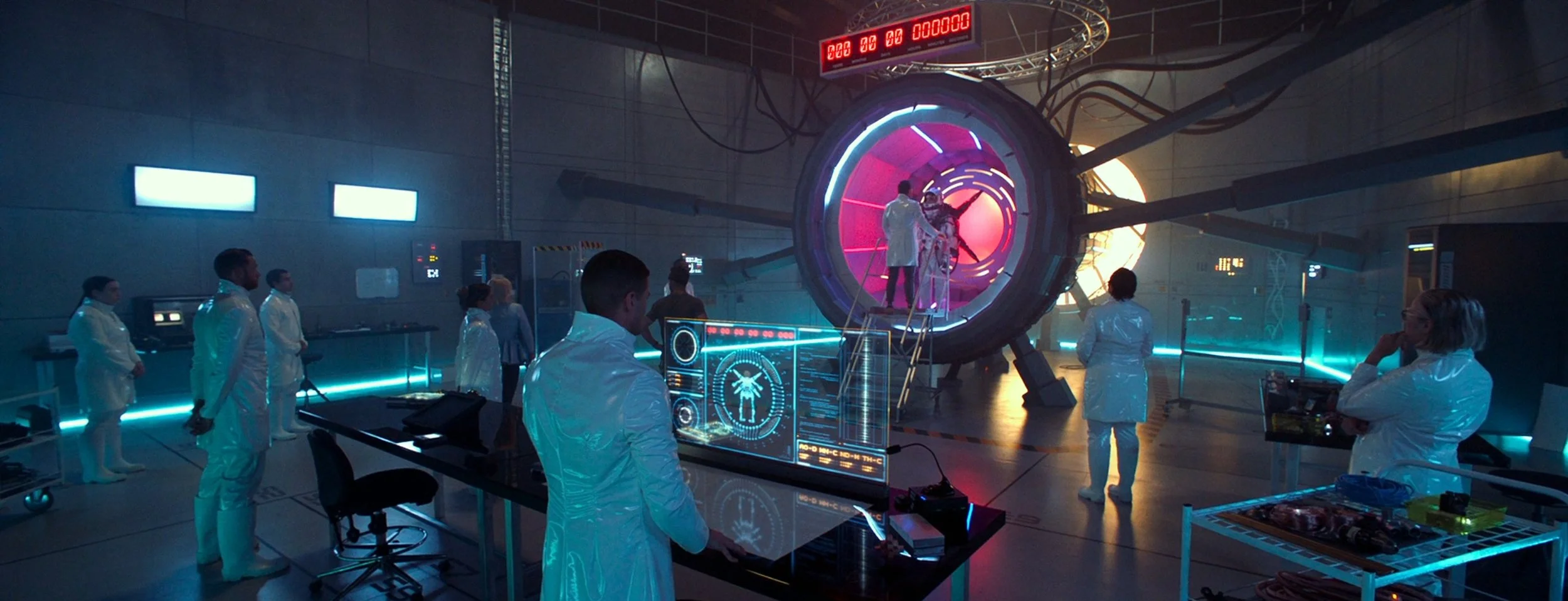
Directed by Seth Larney, with production design by Jacinta Leong, all designs were grounded in real-world logic - believable as buildable objects while translating cleanly into high-quality 3D assets. The focus was on function, mechanics, and usability from the earliest stages, ensuring every design felt purposeful, realistic, and cinematic.
The film premiered as the opening night feature at the Adelaide Film Festival and received an Australian Directors Guild Award nomination for Best Feature Film Direction; Jacinta Leong also earned an AACTA Award nomination for Production Design.
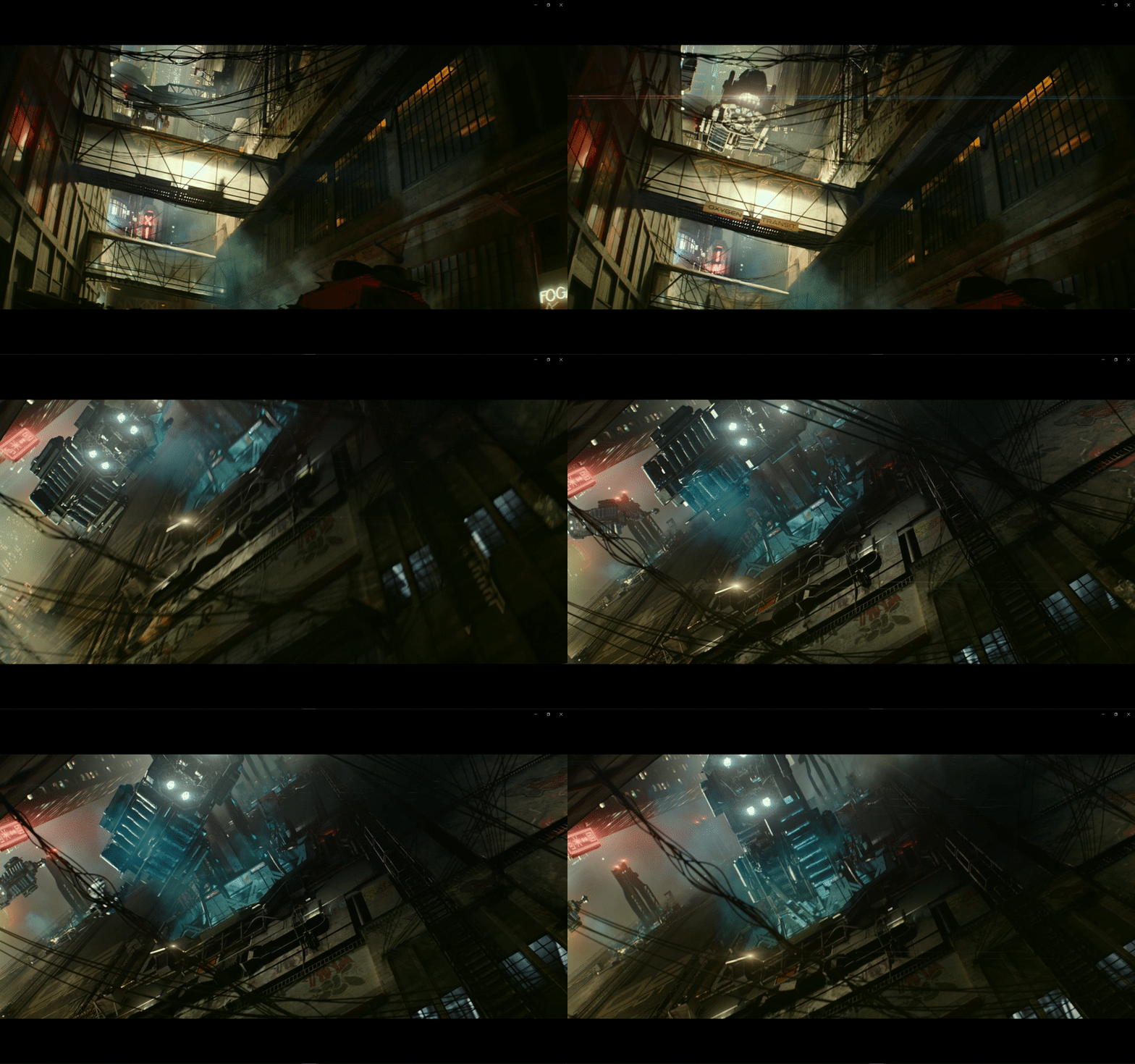
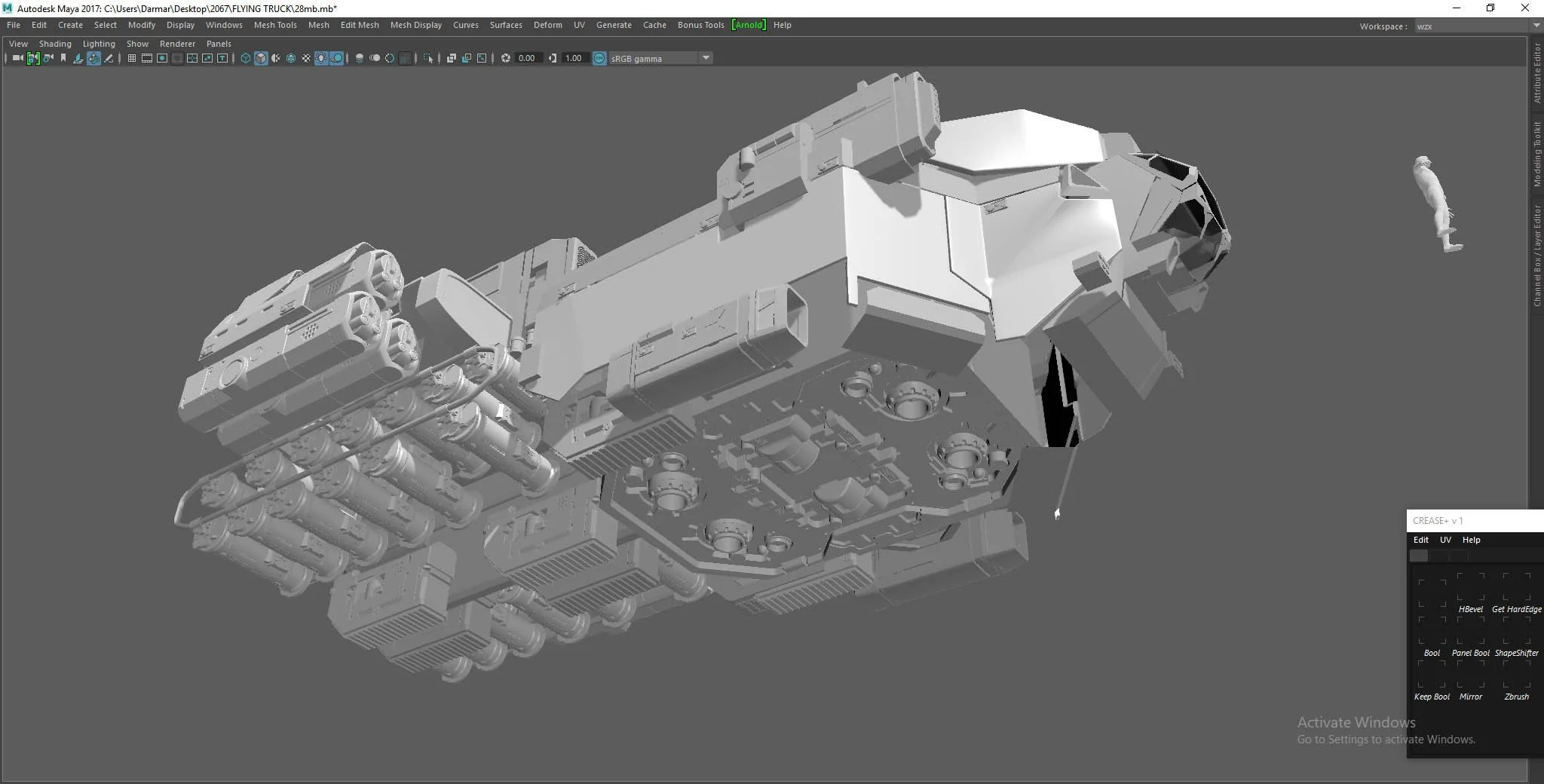
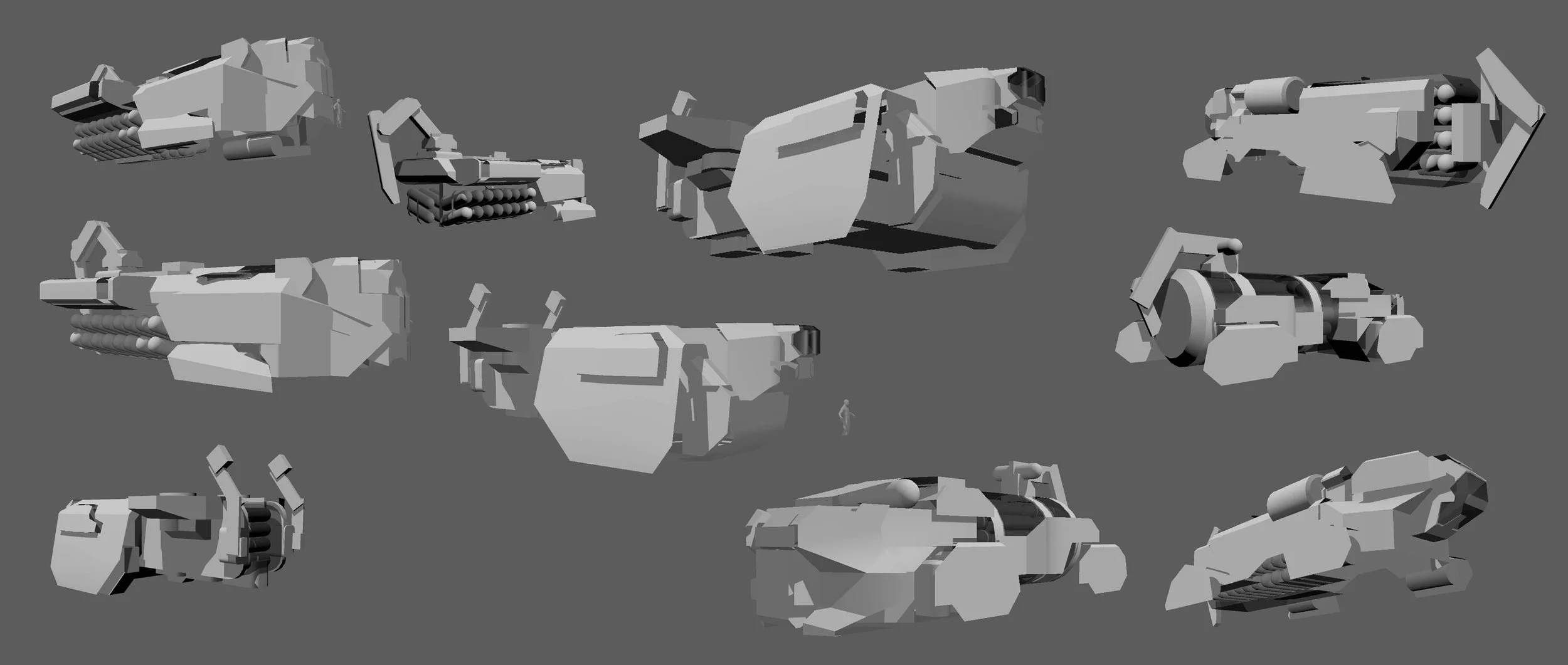
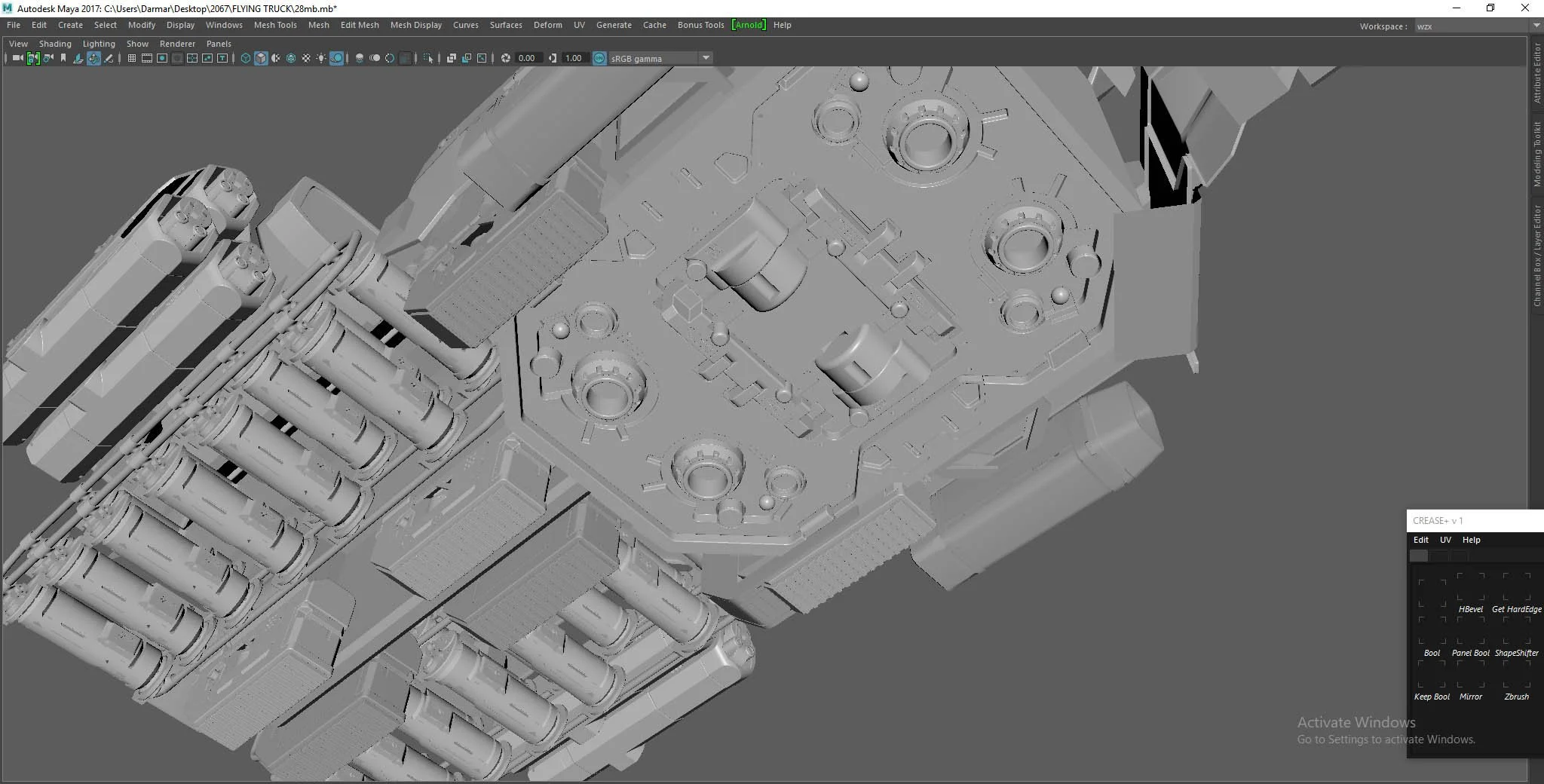
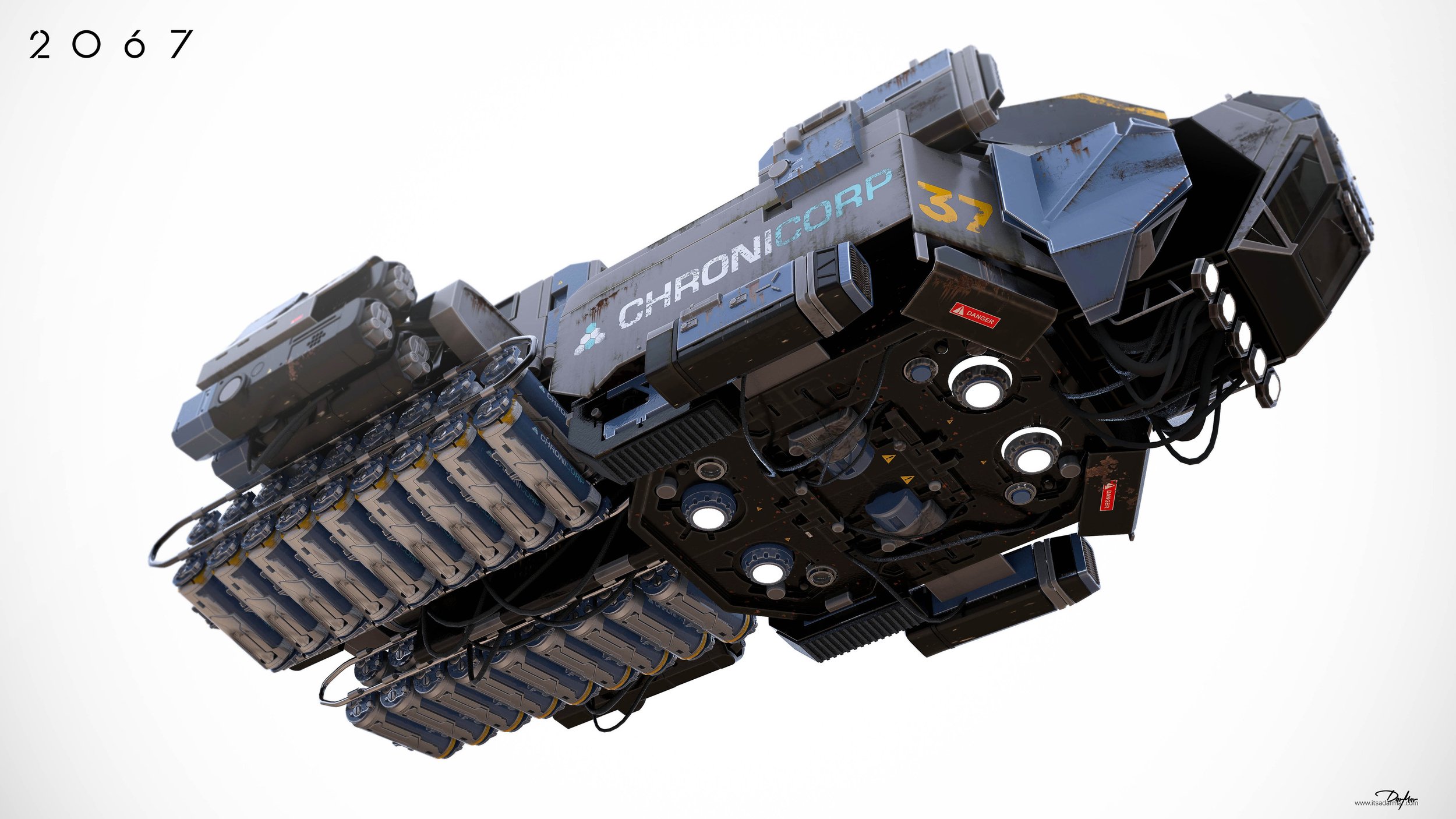
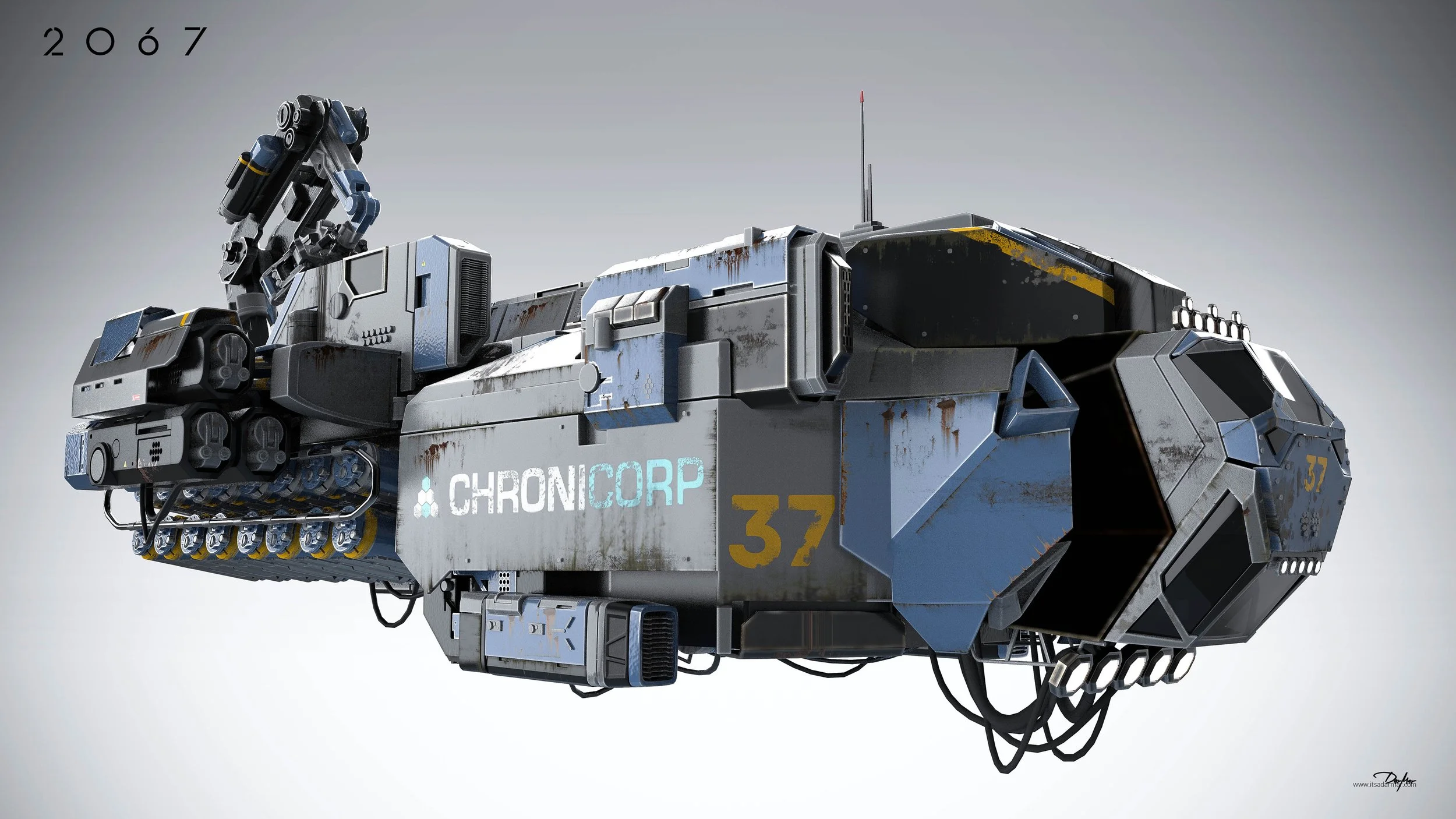
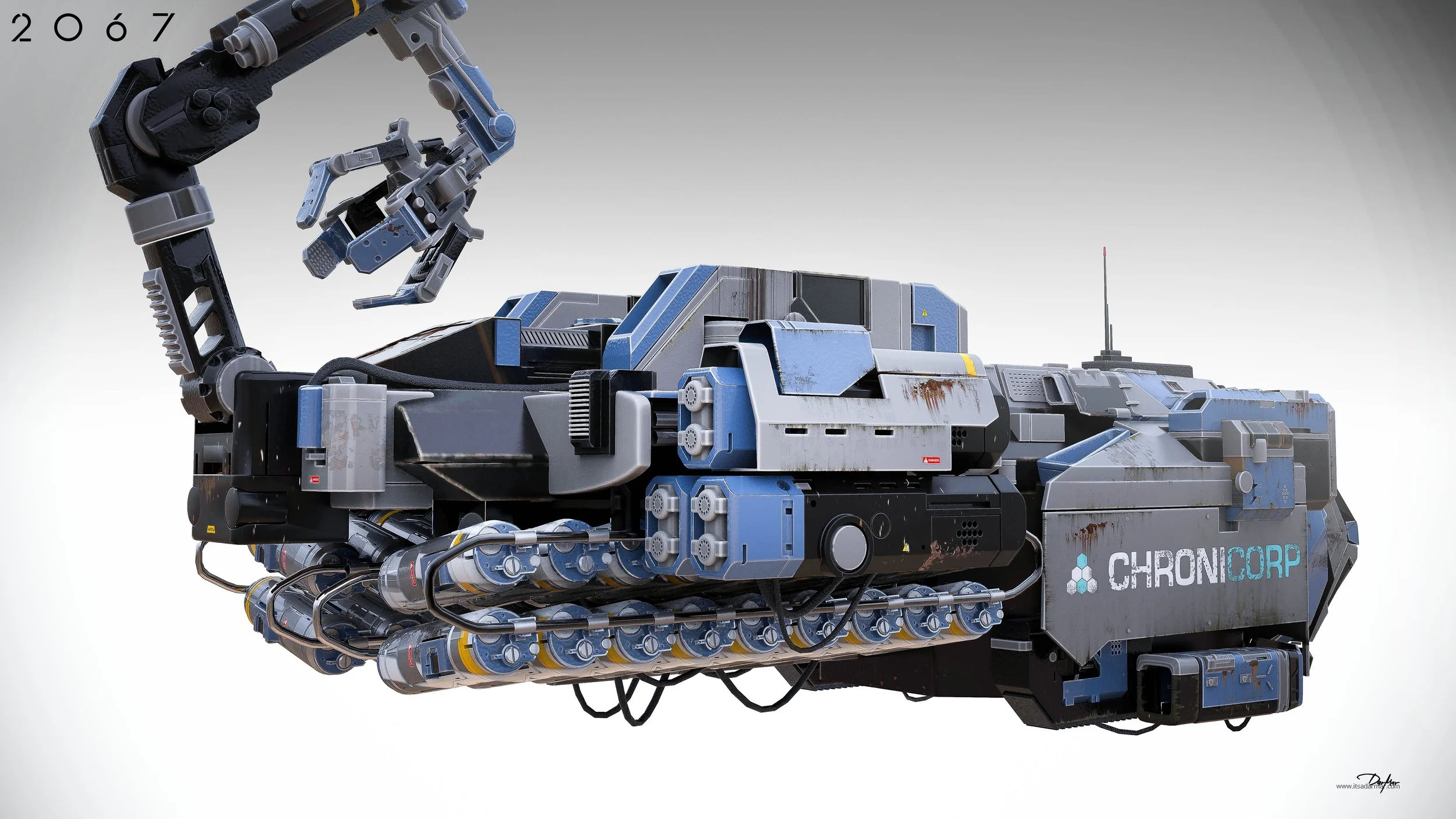
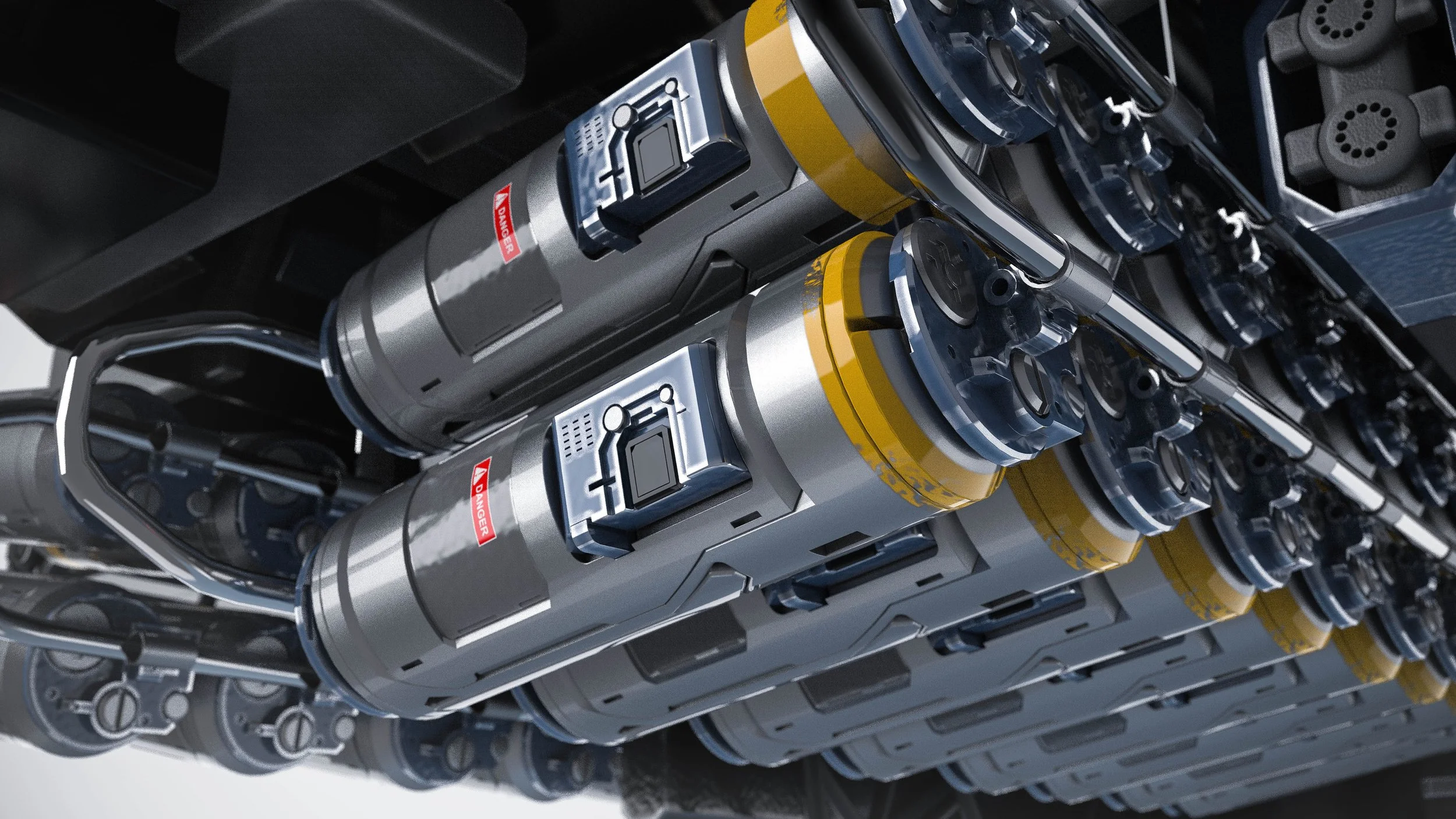
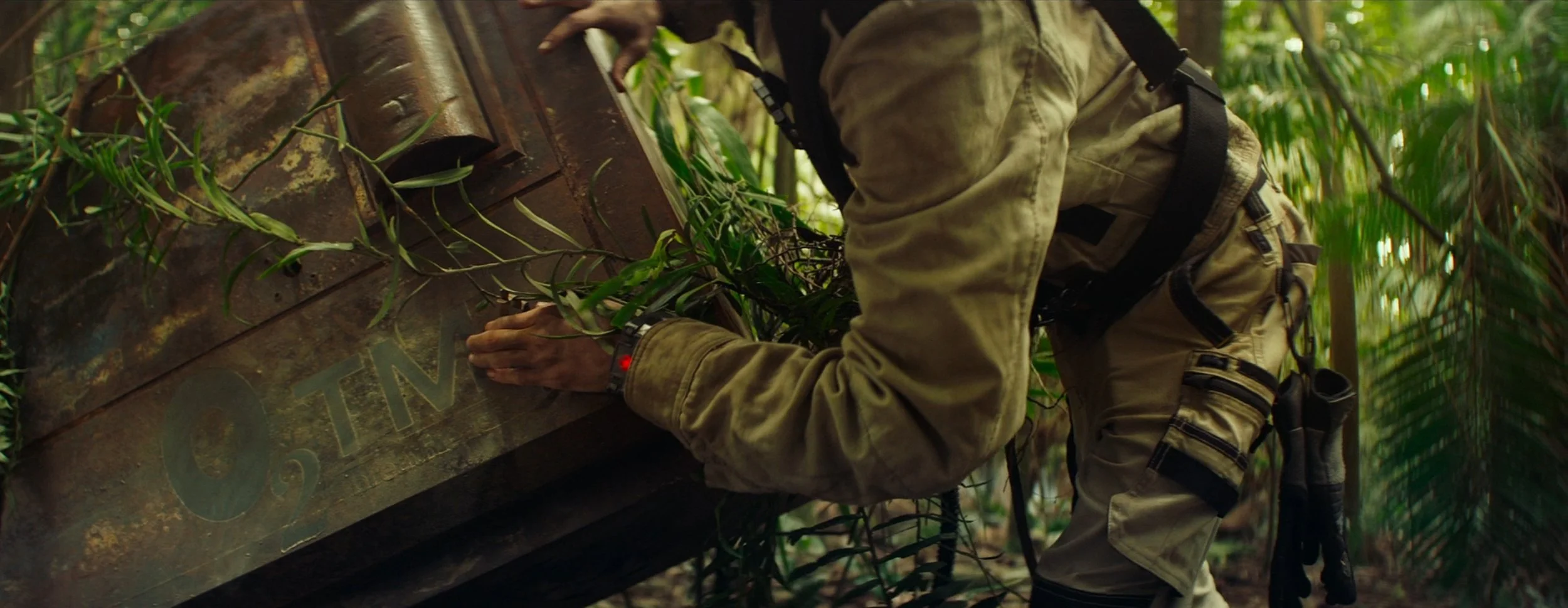
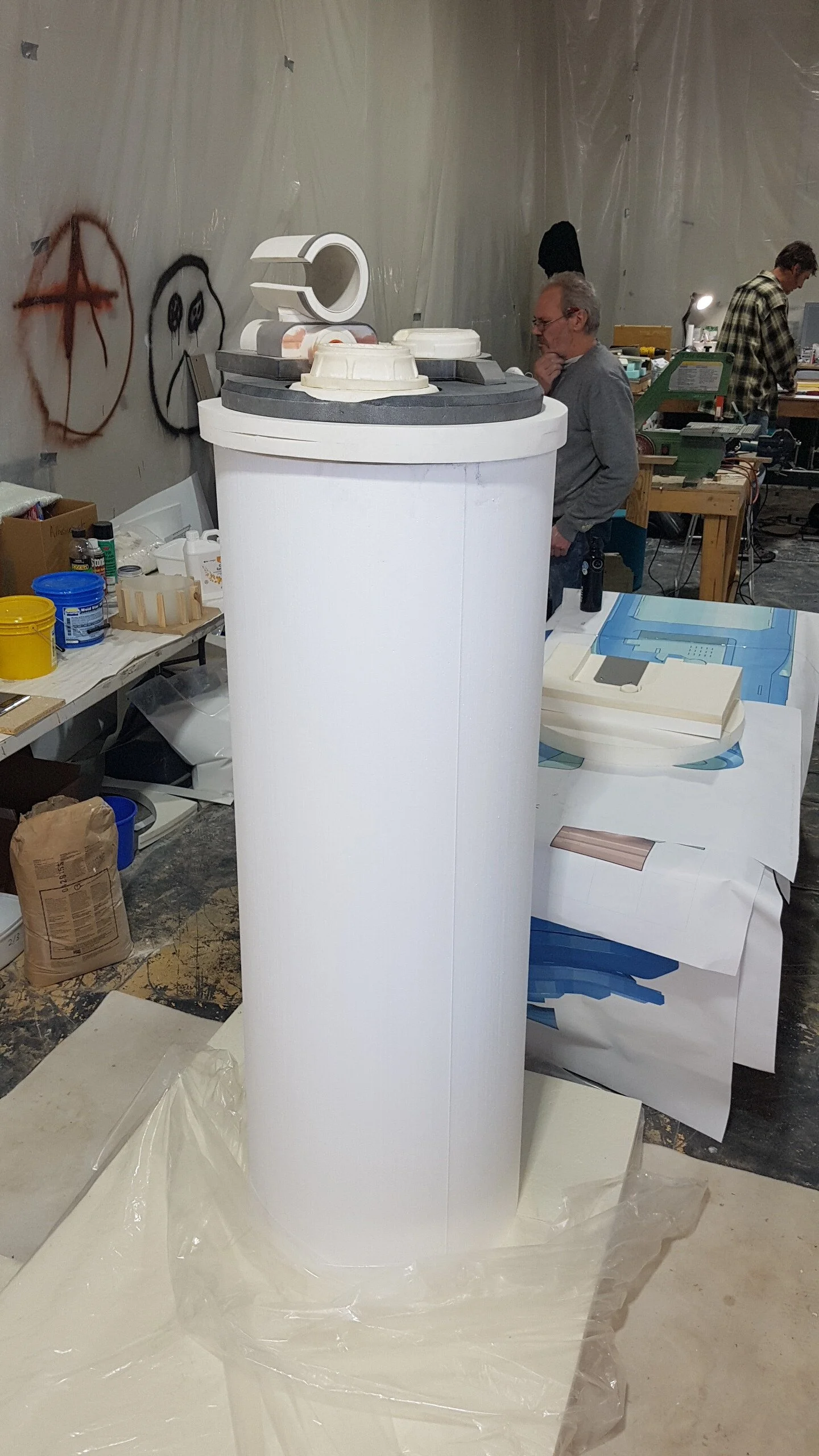
The oxygen tank spaceship featured multiple moving mechanisms, and my role was to ensure it not only looked compelling but also functioned believably. I designed the asset directly in 3D, exploring and delivering multiple mechanical solutions until we arrived at the most effective outcome for the film.
The final design balanced visual impact with real-world logic, as the requirements of the scenes demanded that the spaceship be physically producible for on-set use, not just digitally plausible.
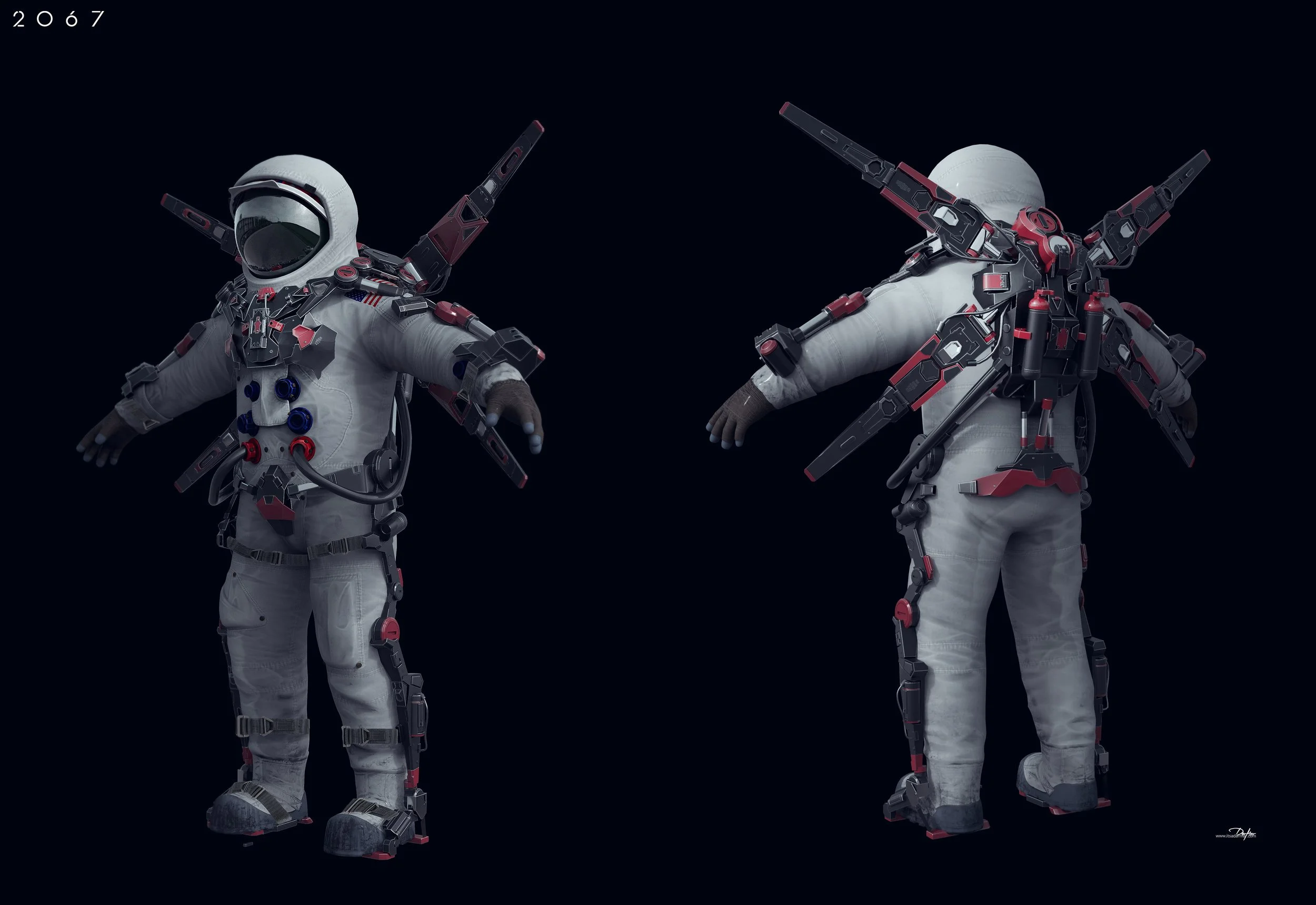
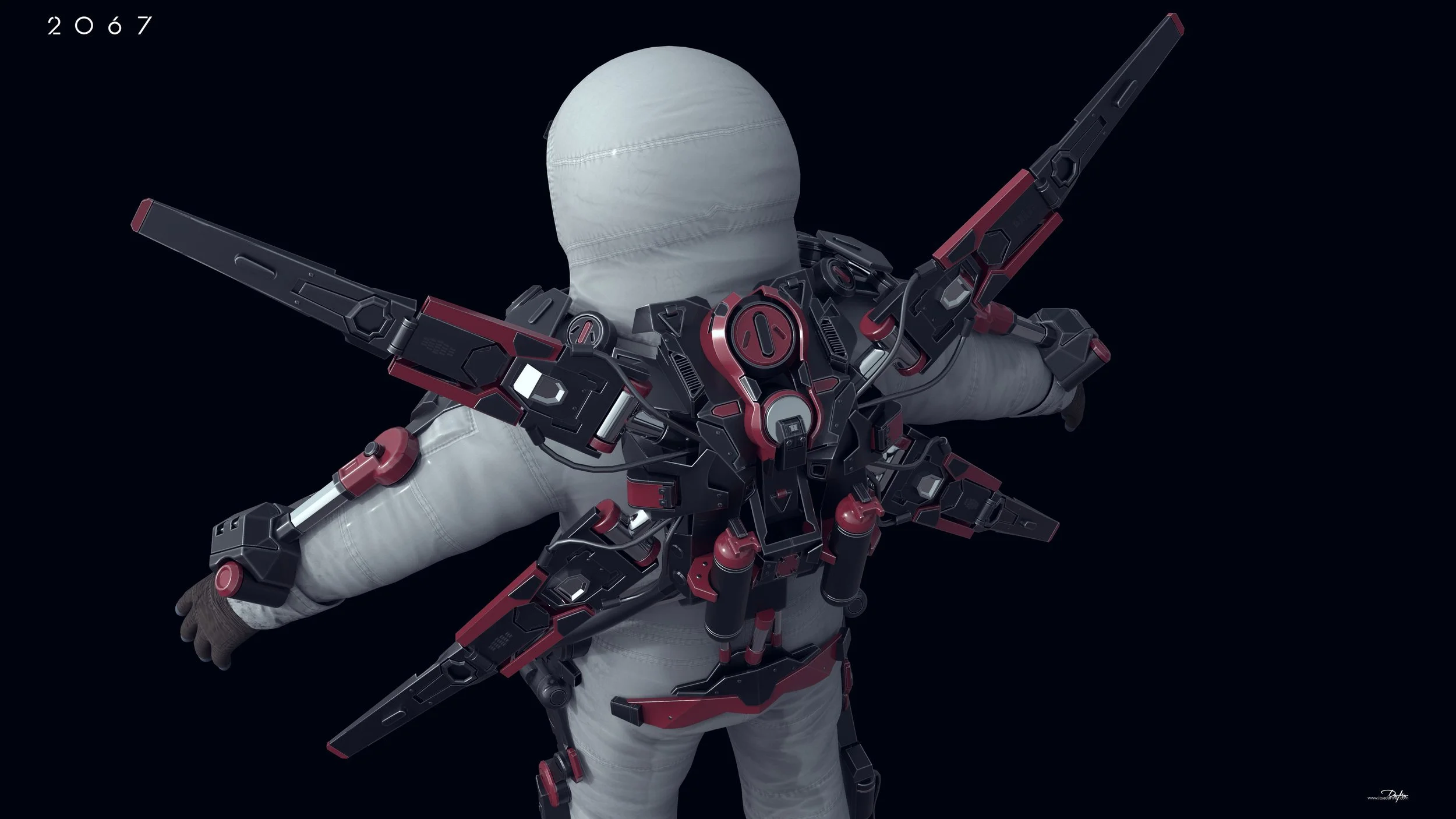
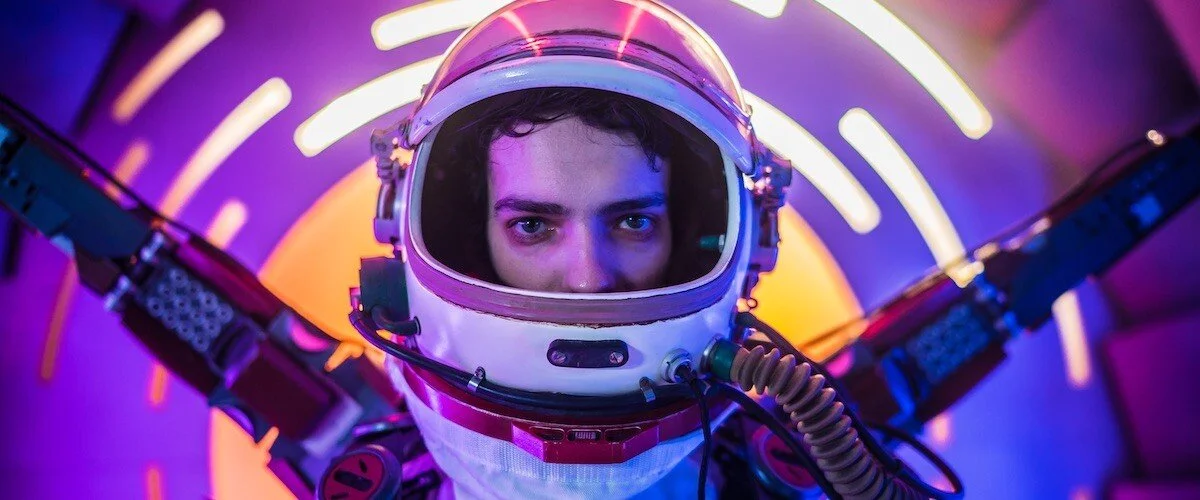
The exosuit was designed to withstand a high-impact fall from the sky and protect the user on landing. Its structure had to absorb and distribute force across the entire body, safeguarding every limb while maintaining mobility.
The design focused on impact protection, structural logic, and realism, ensuring the suit felt mechanically credible and visually convincing on screen.
Design problems
When solving design problems, I think directly in terms of function and movement.
I design solutions as if they were already short animated sequences presented to the director. This approach immediately clarifies intent, mechanics, and usability, resolving most questions before they are asked.
For this suit, the requirement was a set of retractable wings that could deploy and contract during freefall. We explored multiple deployment angles and several mechanical opening systems to ensure the motion felt believable, functional, and cinematically readable.